What Is Online Brand Protection?
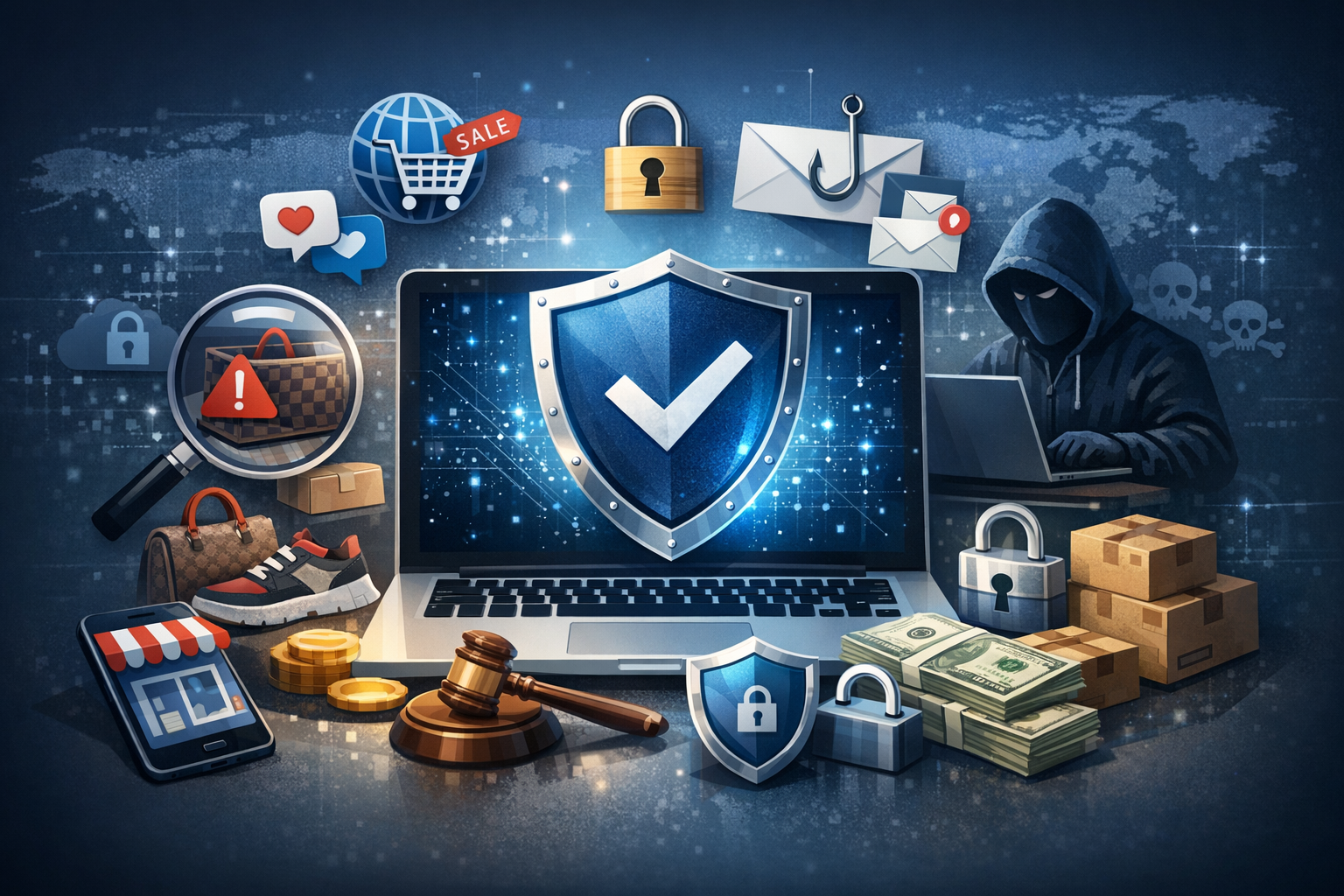
Online brand protection is the set of strategies, tools, and processes used to safeguard a company’s identity, reputation, and revenue across digital channels. It focuses on preventing and addressing issues like counterfeit products, unauthorized sellers, trademark misuse, fake social media accounts, phishing scams, and misleading ads that exploit your brand name or assets.
In practice, online brand protection means monitoring the internet for misuse, enforcing your intellectual property (IP) rights, and reducing customer confusion. It also involves building internal workflows that help your team respond quickly—because brand threats often spread fast and can damage trust in a matter of hours.
Why Online Brand Protection Matters
Consumers discover and evaluate brands online, even when they buy in-store. That makes digital touchpoints—marketplaces, social platforms, search results, app stores, and websites—high-impact areas where bad actors can impersonate your brand and siphon off sales.
Effective online brand protection helps you:
- Protect revenue by reducing counterfeit and gray-market sales.
- Preserve customer trust by limiting scams, fake accounts, and misleading claims.
- Maintain pricing integrity by addressing unauthorized sellers and MAP violations (where applicable).
- Reduce legal and operational risk by documenting infringements and standardizing enforcement.
- Improve customer experience by ensuring customers find the real brand, not an imitation.
Common Threats to Your Brand Online
Online threats come in many forms, and most brands face more than one at the same time. Understanding the common categories helps you prioritize monitoring and response.
Counterfeits and Knockoffs
Counterfeit products can appear on marketplaces, standalone websites, and even in social commerce. They often use stolen product images, copied descriptions, and brand names in listings to look legitimate. The result is lost sales, increased returns, negative reviews, and potential safety concerns—especially for regulated categories like cosmetics, supplements, electronics, and children’s products.
Unauthorized Sellers and Gray Market
Not all problematic listings are counterfeit. Unauthorized sellers may resell genuine products without permission, sometimes with expired inventory, missing warranties, or altered packaging. Gray-market sales can disrupt pricing strategy, erode authorized partner relationships, and create inconsistent customer experiences.
Trademark Infringement and Brand Impersonation
Bad actors may use your brand name in account names, domain names, paid ads, or product listings to divert traffic. This can include:
- Using your trademark in ad copy to confuse searchers
- Copying your logo or brand visuals
- Creating “support” accounts that look official
Phishing, Fraud, and Customer Scams
Fraudsters may send emails or messages posing as your brand, offering fake promotions, requesting payment details, or directing customers to lookalike websites. These attacks can cause direct consumer harm—and even when customers realize they were scammed, they often associate the negative experience with the brand.
Social Media and Influencer Abuse
Brand abuse on social media can include fake profiles, unauthorized use of images, counterfeit promotions, or misleading influencer claims. In addition to revenue impact, this can create compliance risk, especially in industries with advertising regulations.
App Store and Digital Asset Misuse
Impersonation can extend to app stores and digital products: fake apps, browser extensions, and “tools” that misuse your name and branding. Even a low-download fake app can cause reputational damage if it collects data, shows intrusive ads, or is linked to scams.
Key Elements of an Online Brand Protection Strategy
A strong program combines prevention, detection, enforcement, and ongoing improvement. The right mix depends on your industry, distribution model, and threat level.
1) Secure Your Brand Foundations
Start by tightening the assets that make enforcement easier:
- Trademark registration in key markets and categories (including common variants if appropriate).
- Domain strategy (secure primary domains, common misspellings, and relevant TLDs).
- Consistent brand guidelines for logos, imagery, and messaging.
- Product identifiers (SKUs, UPC/EAN, serial numbers, or other authentication markers).
These basics strengthen your ability to prove ownership and speed up takedown requests.
2) Monitor the Right Channels
Effective monitoring is targeted and continuous. Focus on the places your customers actually shop and engage:
- Marketplaces (major platforms plus niche category marketplaces)
- Search engines (organic results and paid ads)
- Social media (profiles, ads, comments, and social commerce listings)
- Websites (standalone stores, lookalike domains, affiliate pages)
- App stores (apps using your name, logo, or keywords)
Many brands begin with manual checks and keyword alerts, then move to automated monitoring as volume grows.
3) Establish Clear Policies for Sellers and Partners
Brand protection isn’t only about removing bad actors—it’s also about preventing channel conflict. Define and communicate policies such as:
- Authorized reseller criteria and onboarding requirements
- Minimum advertised price (MAP) guidelines where legally and commercially appropriate
- Rules for use of product images and brand language
- Marketplace selling permissions (which platforms are allowed)
When policies are clear, enforcement becomes more consistent and defensible.
4) Use Platform Programs and IP Tools
Most major marketplaces and social platforms provide brand and IP reporting tools. Using these programs can improve takedown speed and help you gain visibility into seller activity. Common features include brand registries, verified rights owner portals, and streamlined reporting for trademark or copyright claims.
To maximize results, keep documentation organized: trademark certificates, proof of product authenticity, brand imagery ownership, and a record of past enforcement actions.
5) Create an Enforcement Workflow
Enforcement should be repeatable, measurable, and aligned across teams (legal, marketing, ecommerce, customer support). A typical workflow includes:
- Detect potential infringement (monitoring alerts, customer complaints, partner reports).
- Validate the issue (is it counterfeit, unauthorized resale, or confusion from legitimate use?).
- Document evidence (screenshots, URLs, seller IDs, timestamps, test buys if needed).
- Act (platform takedown, cease-and-desist, escalation to legal, payment processor report).
- Follow up (confirm removal, monitor relisting, track repeat offenders).
Consistency matters. It reduces missed steps, improves turnaround time, and helps identify patterns across incidents.
6) Invest in Technology When the Volume Demands It
As your brand scales, manual monitoring and takedowns can become overwhelming. Brand protection solutions can help by automating detection, prioritizing high-risk cases, and tracking enforcement across channels.
When evaluating tools or service providers, look for:
- Coverage of your priority platforms and regions
- Strong matching capabilities (logo detection, image matching, keyword + context analysis)
- Workflow management (case tracking, evidence storage, reporting)
- Support for escalation and repeat offender identification
Best Practices for Effective Online Brand Protection
Online brand protection works best as an ongoing program, not a one-time cleanup. These best practices help you build momentum and results over time.
Prioritize Based on Customer Impact
Not every misuse has the same risk. Prioritize issues that can harm customers or heavily affect revenue—such as counterfeit listings on top marketplaces, phishing domains, or fake “customer support” accounts.
Use Test Buys Strategically
For suspected counterfeits, a test buy can provide proof of inauthenticity, identify shipment origins, and support stronger enforcement actions. Use test buys selectively for high-visibility listings or repeat offenders to keep costs controlled.
Standardize Evidence Collection
Create a simple checklist for your team: URLs, screenshots, listing IDs, seller names, timestamps, and product comparisons. Strong documentation increases the success rate of takedown requests and reduces back-and-forth with platforms.
Coordinate Across Teams
Brand protection touches multiple functions. Marketing often sees social impersonation first, ecommerce teams spot marketplace issues, and customer support hears complaints about scams and bad products. A shared inbox, ticketing process, or weekly review can prevent gaps and speed up response.
Educate Customers and Partners
Customer education is a powerful preventive layer. Consider:
- A “How to identify authentic products” page
- A list of authorized sellers and official social accounts
- Guidance on avoiding phishing (what you will/won’t ask for)
Partners and resellers also benefit from clear do’s and don’ts, especially around imagery, pricing rules, and platform restrictions.
How to Measure Success
Online brand protection can feel hard to quantify, so it helps to define a small set of metrics tied to business outcomes. Common measurements include:
- Takedown volume and success rate (by channel and type of infringement)
- Time to removal (average days/hours from detection to takedown)
- Repeat offender rate (how often the same seller relists or reappears)
- Share of voice in search (reduction in confusing ads or lookalike domains)
- Marketplace health metrics (fewer counterfeit complaints, improved reviews, stabilized pricing)
- Customer support signals (fewer scam reports, fewer “wrong product” tickets)
Over time, these metrics help you identify where enforcement is working—and where you need better prevention, faster escalation, or stronger platform relationships.
Conclusion
Online brand protection is essential for preserving trust, revenue, and long-term brand equity in a fast-moving digital marketplace. By securing your brand foundations, monitoring the right channels, enforcing consistently, and measuring outcomes, you can reduce risk and create a safer experience for customers. Start with the highest-impact threats, build repeatable workflows, and evolve your approach as your brand grows.