
What Is Brand Protection?
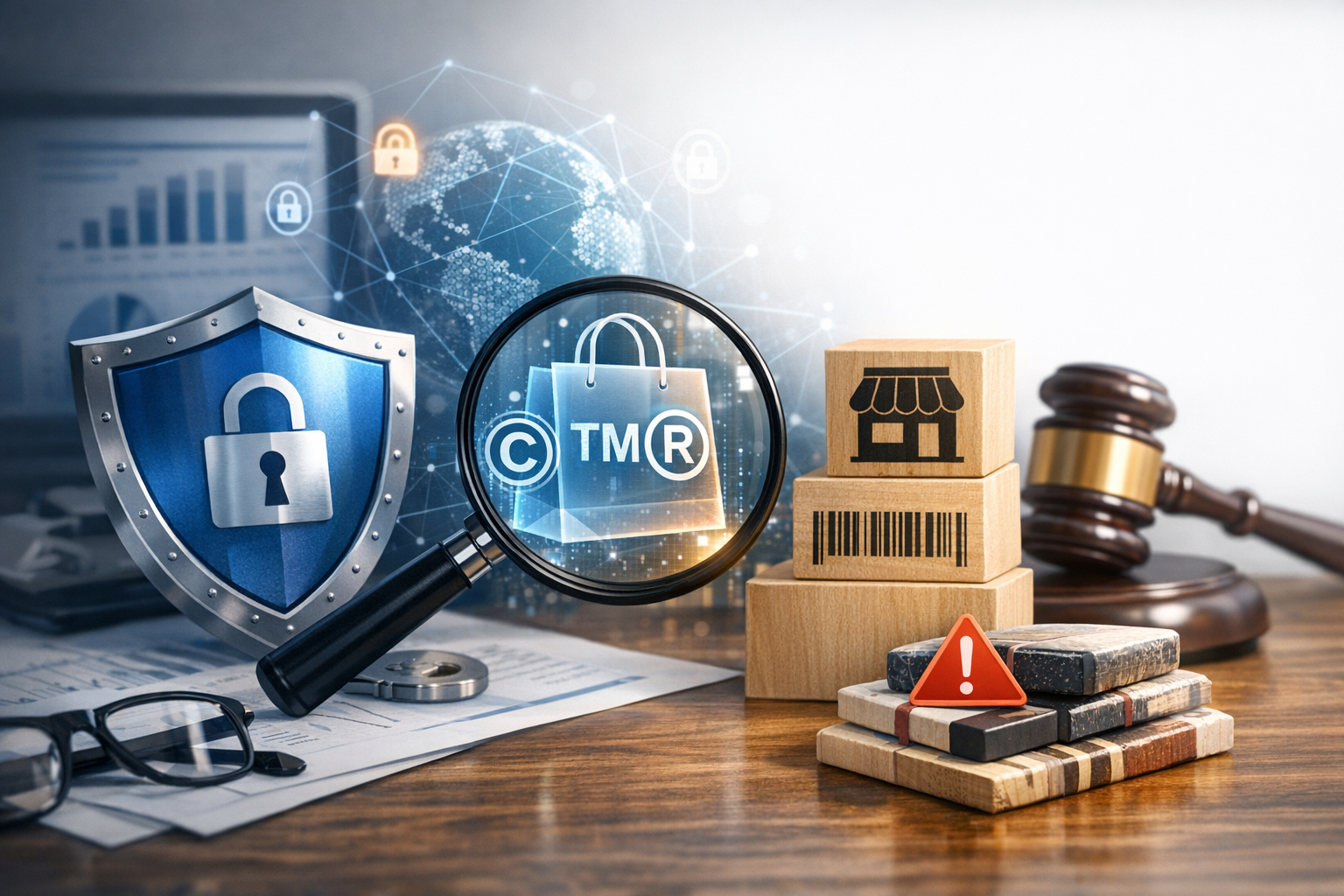
Brand protection is the set of strategies, processes, and tools a business uses to safeguard its brand identity, reputation, and revenue from misuse or attack. It typically focuses on preventing or addressing issues such as counterfeit products, unauthorized sellers, trademark infringement, phishing and impersonation scams, domain squatting, and misleading advertising that exploits your name or assets.
At its core, brand protection ensures customers can reliably identify your products and services, trust what they’re buying, and interact with authentic brand channels. It also helps businesses maintain consistent quality, pricing integrity, and customer experience across marketplaces and the wider web.
Why Brand Protection Matters
Even strong brands are vulnerable to exploitation—especially as ecommerce, social media, and third-party marketplaces make it easier for bad actors to reach customers quickly. A single fake listing, impersonation account, or phishing email can harm customer trust and create costly support burdens.
Effective brand protection matters because it helps:
- Preserve revenue: Counterfeits and unauthorized sellers divert sales, disrupt pricing, and increase returns.
- Protect customers: Fake or unsafe products can cause harm, leading to complaints, chargebacks, and reputational damage.
- Maintain brand equity: Brand value depends on trust, consistency, and authenticity.
- Reduce legal and operational costs: Proactive monitoring and enforcement can prevent issues from escalating.
- Support growth: New markets and channels bring opportunity—and new risks that must be managed.
Common Brand Threats to Watch For
Brand threats can look different depending on your industry, sales channels, and audience. However, most issues fall into a few recurring categories.
Counterfeit Products
Counterfeits are unauthorized replicas that mimic your branding, packaging, and product design. They often use lower-quality materials and skip safety standards. The impact can include increased customer complaints, product liability exposure, and long-term reputational harm.
Trademark Infringement
Trademark infringement occurs when another party uses your brand name, logo, slogan, or a confusingly similar mark in commerce. This can happen in online listings, ads, app names, social media handles, or even on product packaging.
Unauthorized Sellers and Gray Market Goods
Unauthorized sellers may resell genuine products outside approved channels, sometimes with expired warranties, missing components, or altered packaging. Gray market goods are typically authentic items sold in unintended regions or channels, which can create customer confusion and undermine your pricing strategy.
Domain Squatting and Typosquatting
Bad actors may register domains similar to yours (for example, common misspellings) to divert traffic, run scams, or host misleading content. These domains can be used for phishing or to impersonate your customer support and billing communications.
Social Media Impersonation and Fake Accounts
Impersonation accounts can mimic your profile name, logo, and tone to trick customers into sharing sensitive information, sending payments, or following fraudulent links. They can also spread misinformation that damages trust.
Phishing, Fake Customer Support, and Scams
Scammers often pretend to be your support team via email, SMS, messaging apps, or social platforms. Customers may not realize they’re interacting with a fraudster until money or data is lost—at which point your brand still absorbs the reputational impact.
Ad Hijacking and Affiliate Fraud
Competitors or unauthorized affiliates may bid on branded keywords, impersonate your messaging, or drive traffic through misleading ads. This can inflate your ad costs, confuse customers, and distort marketing analytics.
Key Elements of a Strong Brand Protection Strategy
Brand protection works best as a program—not a one-time reaction. A structured strategy helps you detect issues quickly, prioritize enforcement, and prevent repeat offenses.
1) Secure Your Intellectual Property (IP) Foundations
Your enforcement options are stronger when your IP is properly registered and documented. Consider:
- Trademarks: Register key brand names, logos, and taglines in markets where you operate or plan to expand.
- Copyrights: Protect original creative assets such as product photos, copy, and design elements.
- Patents and design rights: Where relevant, protect innovations and distinctive product designs.
Maintain an organized repository of registration certificates, usage examples, and brand guidelines to support enforcement actions.
2) Monitor Online Channels Proactively
Monitoring is the difference between catching an issue early and dealing with widespread damage later. Prioritize:
- Marketplaces: Product listings, seller profiles, reviews, and pricing anomalies.
- Search engines and ads: Branded keyword use, copycat landing pages, and suspicious domains.
- Social media: Impersonation accounts, fraudulent promotions, and fake giveaways.
- App stores: Apps using your name, logo, or pretending to be official.
Many brands use a blend of manual checks and automated tools to cover more ground and reduce response time.
3) Set Clear Policies for Sellers, Partners, and Affiliates
Brand protection isn’t only about stopping criminals—it’s also about preventing channel conflict and inconsistent customer experiences. Clear policies help legitimate partners stay compliant and make enforcement more straightforward. Useful policies may include:
- Authorized reseller requirements and proof of purchase documentation
- Minimum advertised price (MAP) guidelines where legally applicable
- Brand asset usage rules (logos, product photos, naming conventions)
- Rules for paid search and affiliate marketing practices
Make these policies easy to find, easy to understand, and enforced consistently.
4) Create a Repeatable Takedown and Enforcement Process
When infringement occurs, speed and consistency matter. A repeatable workflow might include:
- Document the violation: Capture screenshots, URLs, seller info, and purchase evidence if needed.
- Assess severity: Prioritize threats that could harm customers (unsafe counterfeits, phishing) over minor infractions.
- Use platform reporting tools: Many marketplaces and social networks offer IP complaint portals.
- Send cease-and-desist notices: For ongoing or large-scale issues, formal legal notices can be appropriate.
- Escalate strategically: Consider legal action, domain dispute procedures, or law enforcement for serious cases.
- Track outcomes: Measure time-to-takedown, repeat offenders, and recovered revenue.
Consistency also helps prevent accusations of selective enforcement and strengthens your position if disputes escalate.
5) Strengthen Customer Trust and Communication
Customers are part of your defense. If they know how to identify official channels and authentic products, scams become less effective. Consider:
- Publishing a “How to Spot Counterfeits” or “Official Channels” page
- Encouraging customers to report suspicious listings or accounts
- Using product authentication features (QR codes, serial numbers, tamper-evident packaging)
- Communicating promptly about known scam campaigns
This proactive approach reduces confusion and can prevent minor incidents from turning into reputation crises.
Brand Protection on Major Online Platforms
Each platform has its own enforcement tools, reporting processes, and timelines. While details vary, the principles are similar: register your IP where possible, monitor actively, and use the platform’s official pathways for reporting violations.
Marketplaces
Online marketplaces are common hotspots for counterfeit listings and unauthorized resellers. Strong brand protection here often includes regular listing audits, test buys for suspected counterfeits, and consistent takedown requests. Brands may also pursue authorized seller programs and enhanced product content controls where available.
Social Media
On social platforms, impersonation and scam promotions are frequent threats. Beyond reporting and takedowns, it helps to secure your brand handles early, apply for verification where available, and maintain a clear cadence of official communications so customers recognize authentic updates.
Search and Paid Advertising
Brand bidding and misleading ads can siphon off customers at the decision stage. Monitoring branded keywords, reviewing ad copy for misrepresentation, and addressing trademark misuse through platform complaint processes can reduce leakage and customer confusion.
How to Measure Brand Protection Success
Brand protection is easier to manage when you can quantify progress. Useful metrics include:
- Time to detect: How quickly issues are identified after they appear
- Time to takedown: Average resolution time by platform and violation type
- Volume of infringements: Total incidents and trends over time
- Repeat offender rate: How often the same sellers or accounts return
- Customer impact: Scam reports, complaint volume, chargebacks, and returns tied to suspected counterfeits
- Revenue recovery indicators: Sales lift after removals, pricing stability, and reduced channel conflict
Tracking these metrics helps justify investment, refine priorities, and show stakeholders how enforcement supports business outcomes.
Building Your Brand Protection Roadmap
If you’re starting or formalizing a brand protection program, a phased approach can deliver results quickly while building long-term resilience:
- Phase 1 (Foundation): Confirm trademark coverage, organize IP records, and define internal ownership.
- Phase 2 (Visibility): Establish monitoring across key channels and set severity-based triage rules.
- Phase 3 (Enforcement): Launch repeatable takedown workflows and partner/seller policies.
- Phase 4 (Prevention): Add authentication measures, strengthen customer education, and optimize for repeat offenders.
As your brand grows, revisit the roadmap quarterly to account for new products, regions, platforms, and threat patterns.
Conclusion
Brand protection is essential for preserving trust, defending revenue, and ensuring customers consistently receive the experience your brand promises. By securing your IP, monitoring the right channels, enforcing policies consistently, and educating customers, you can reduce risk and respond faster when issues arise. A proactive, measurable program turns brand protection from a reactive task into a strategic advantage.